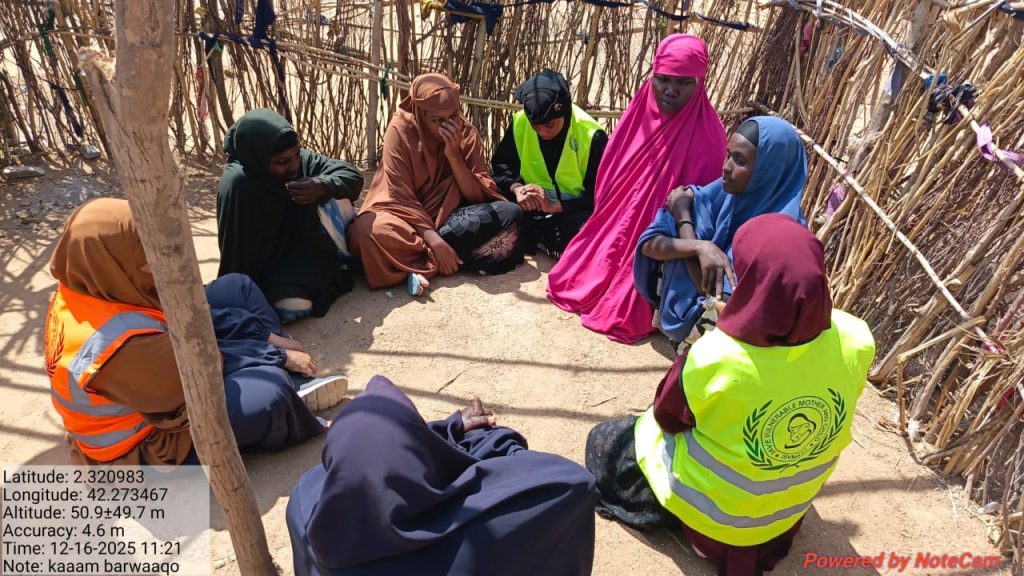
SVMC Nutrition during pregnancy plays a critical role in the health and development of the mother and the growing fetus. A well-balanced, nutrient-rich diet supports proper fetal development, reduces the risk of pregnancy complications, and ensures a healthy delivery. Poor maternal nutrition can lead to low birth weight, birth defects, and long-term health issues in both mother and baby.
1. Nutritional Needs During Pregnancy
Each trimester has specific nutritional requirements:
1st Trimester (Weeks 1–12)
-
Focus: Organ formation, neural tube development
-
Key Nutrients:
-
Folic Acid (400–600 mcg daily) – Prevents neural tube defects
-
Iron – Supports red blood cell production
-
Vitamin B6 – Helps reduce nausea
-
Understanding and promoting proper nutrition for pregnant mothers is essential for the following reasons:
-
Ensures healthy fetal development (organs, brain, bones)
-
Reduces the risk of complications like preeclampsia, gestational diabetes, and anemia
-
Promotes healthy weight gain and supports lactation after birth
-
Enhances immunity and overall well-being of the mother
-
Contributes to better birth outcomes and long-term child health
This concept is important for healthcare providers, policymakers, NGOs, and families to ensure every pregnant woman receives adequate nutritional care.